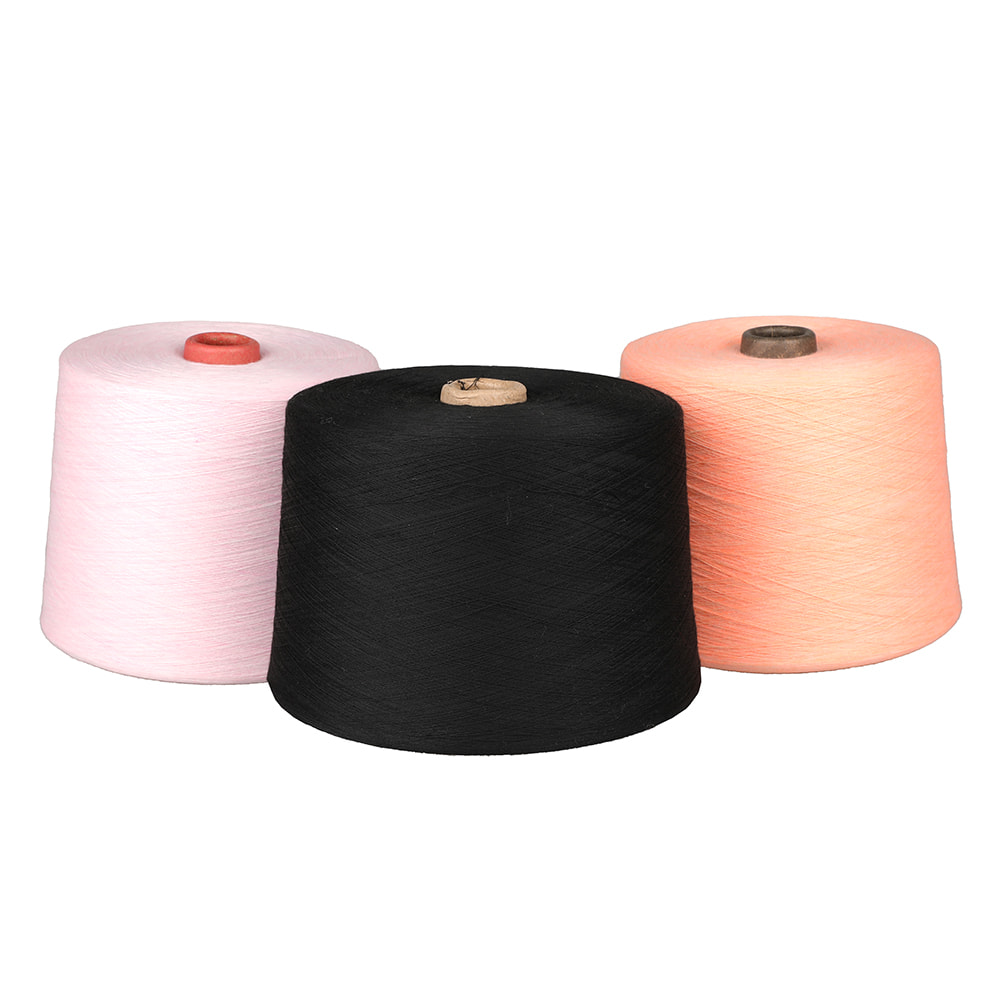
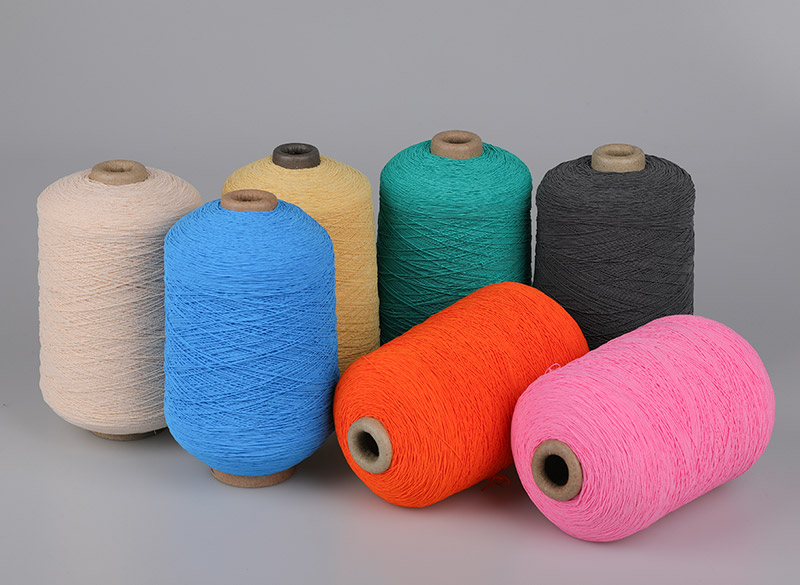
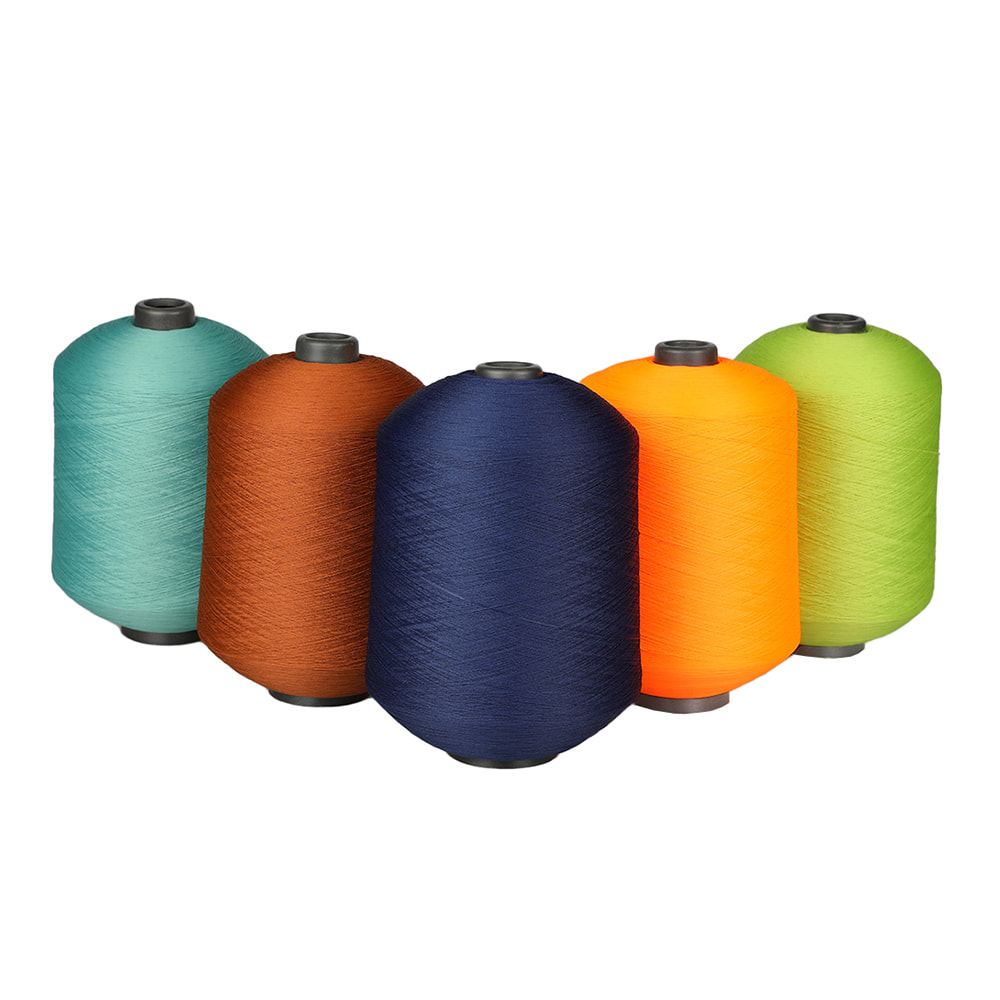
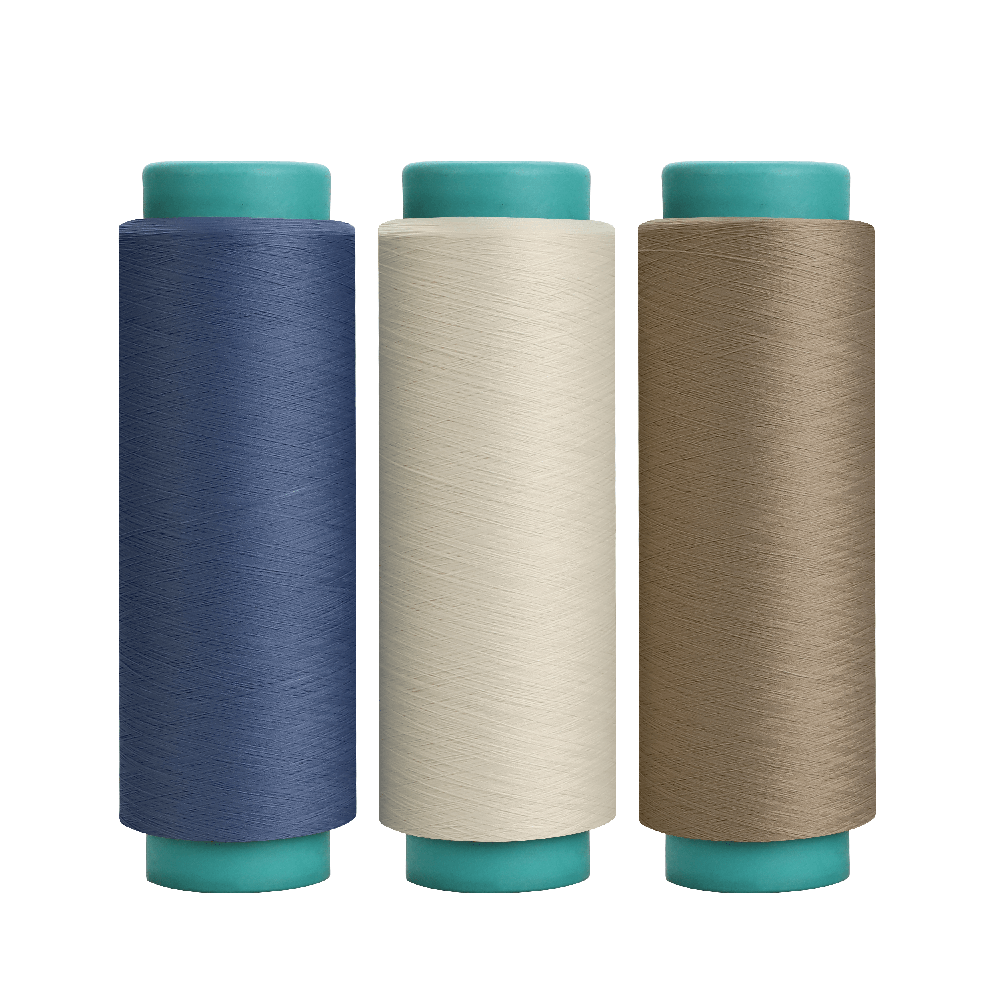
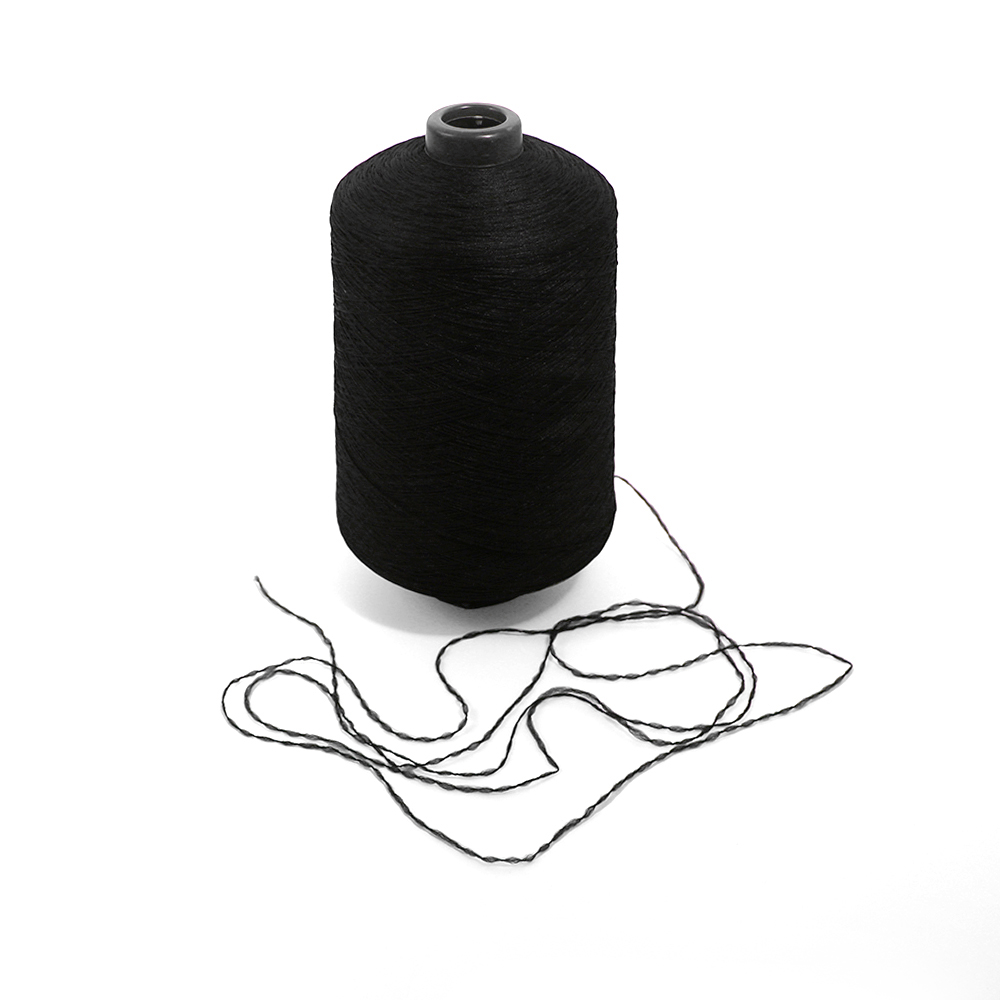
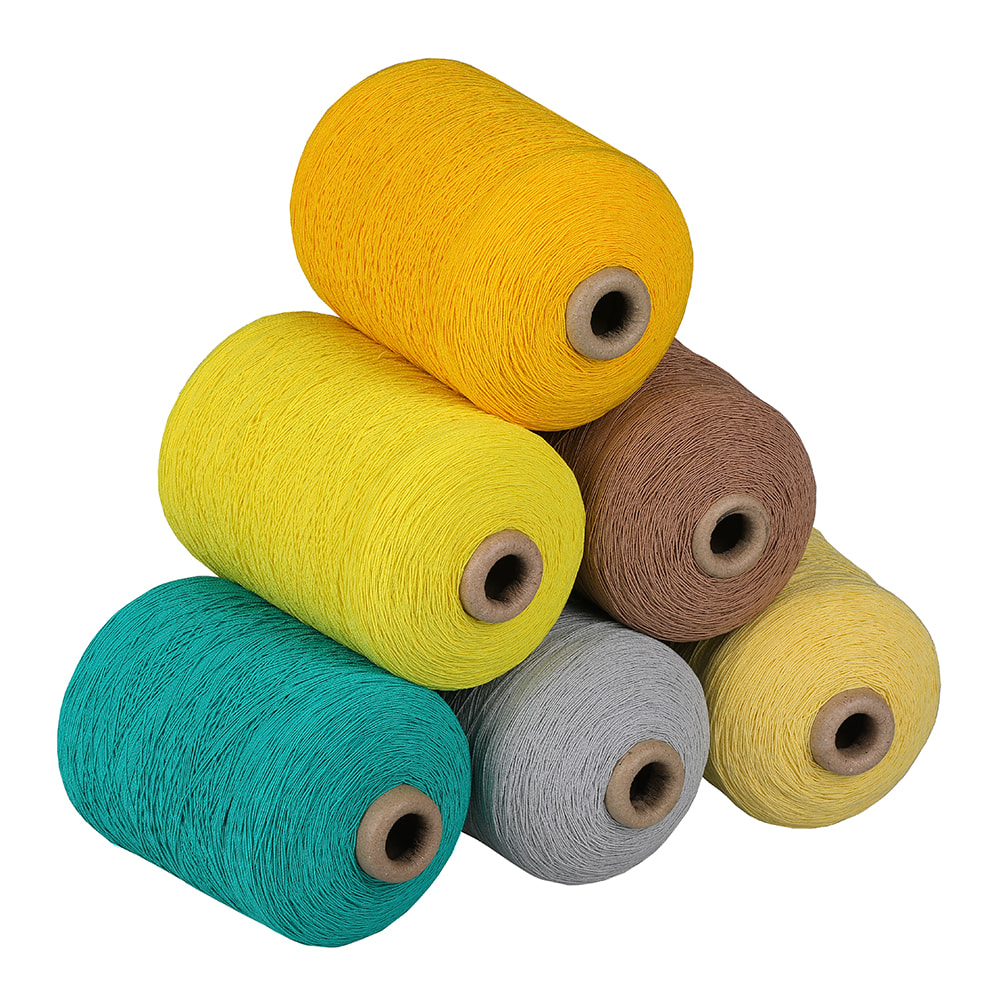
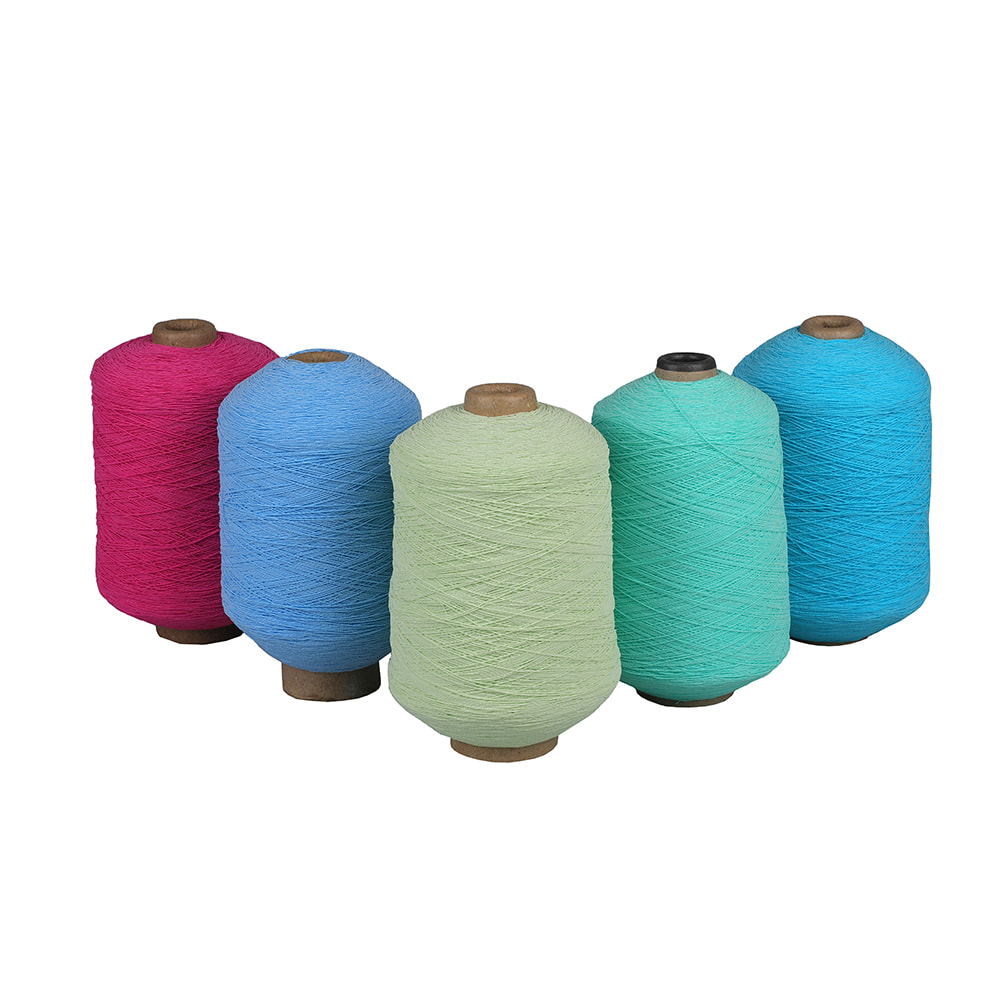
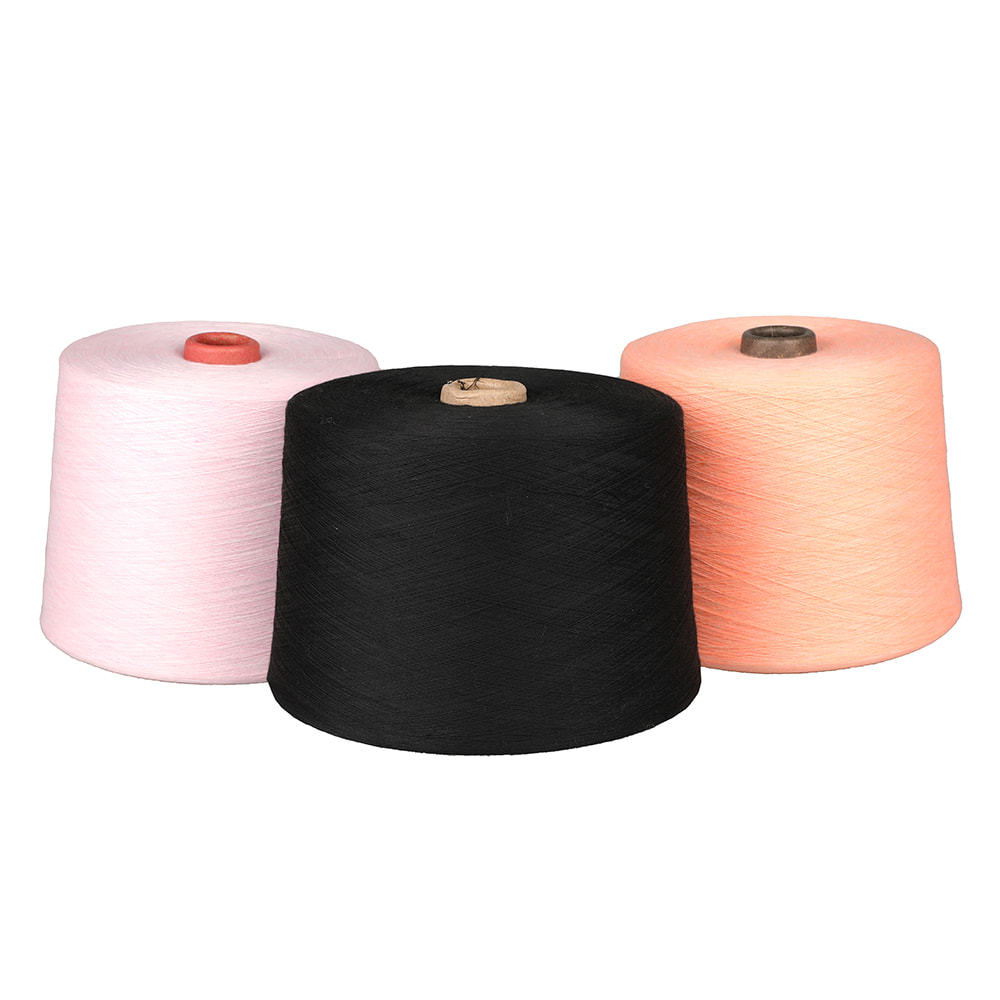
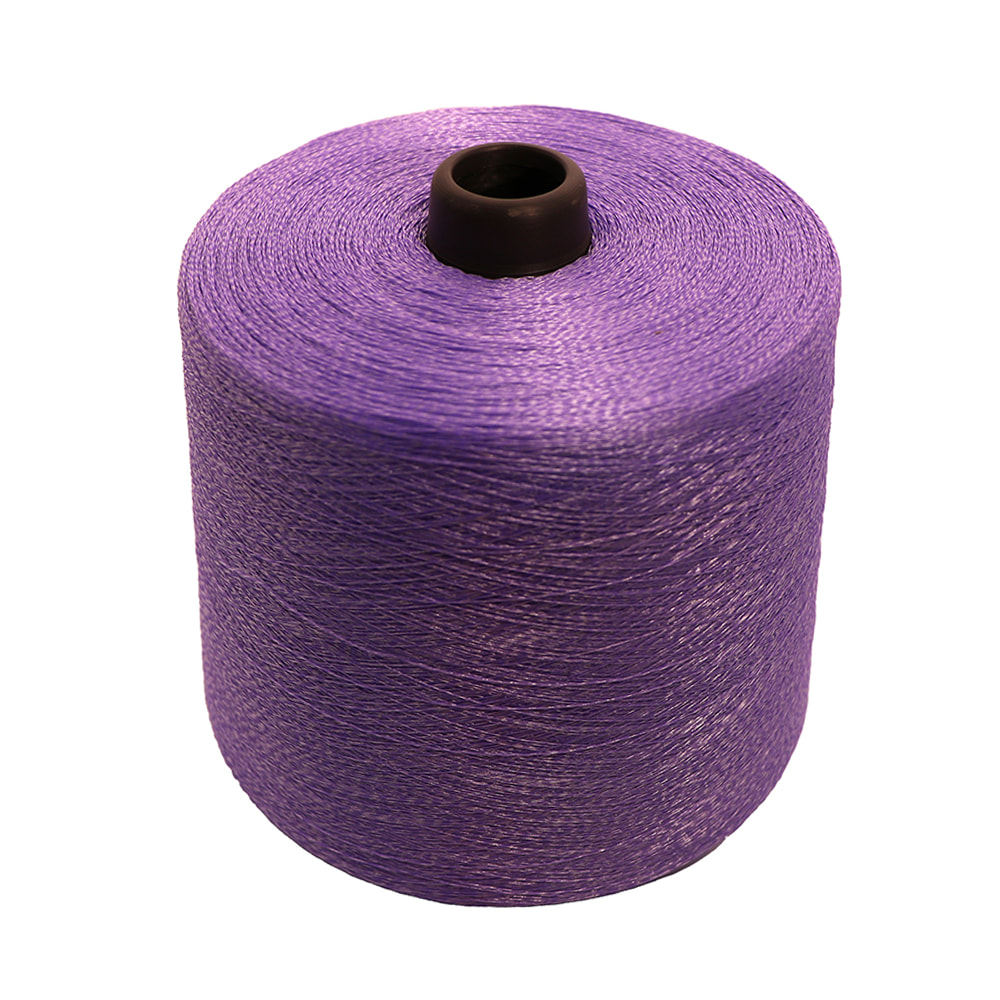
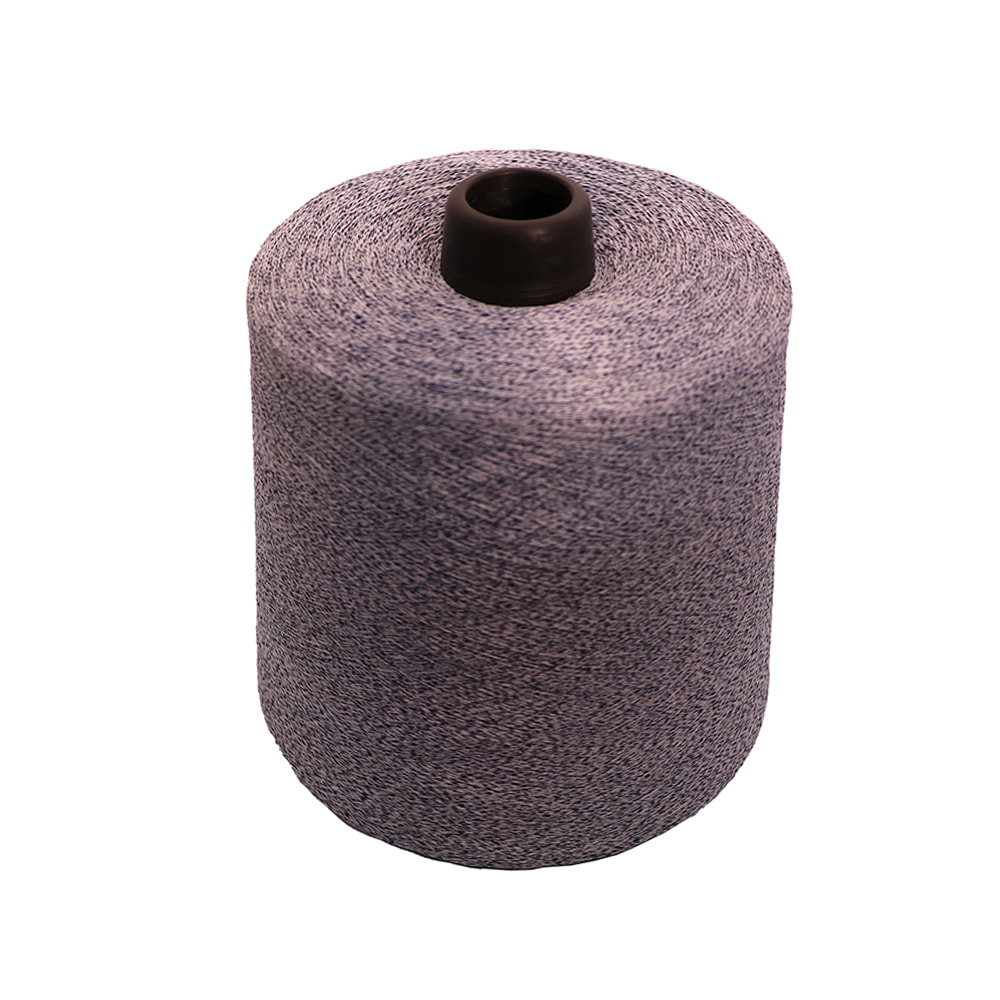
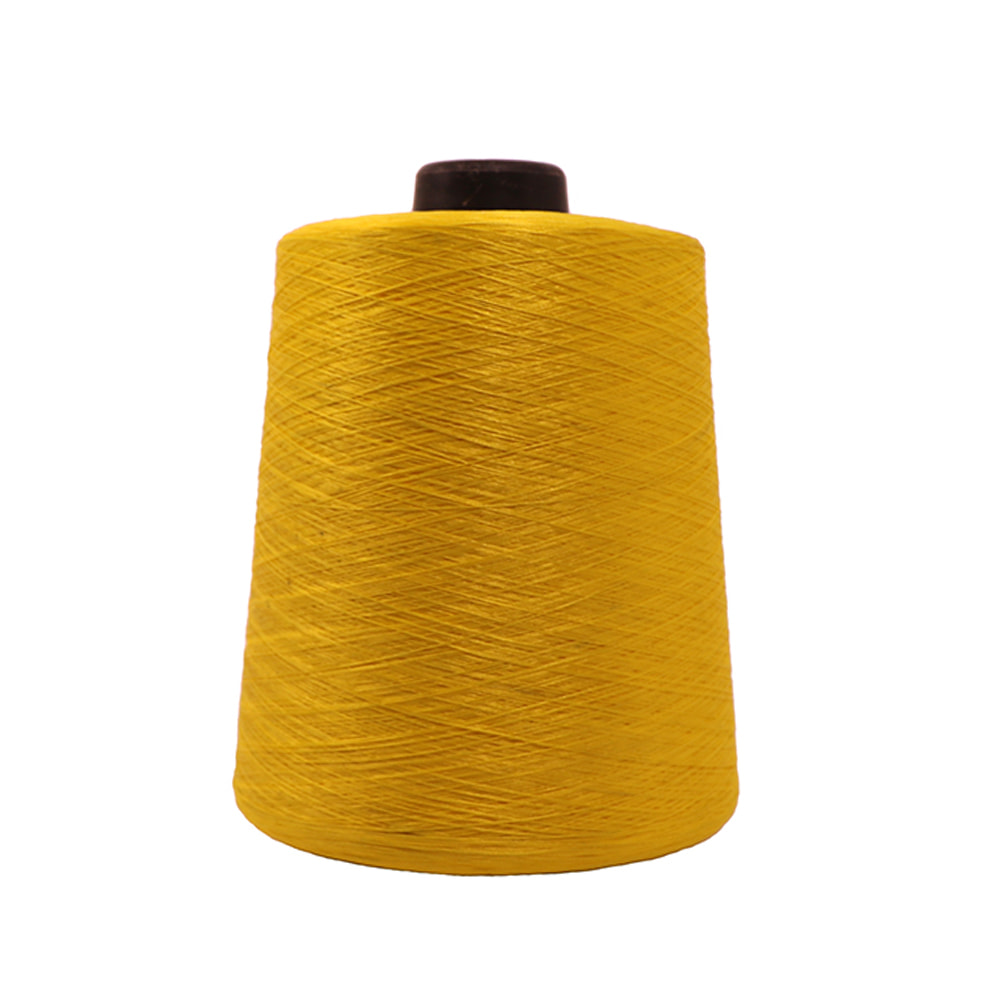
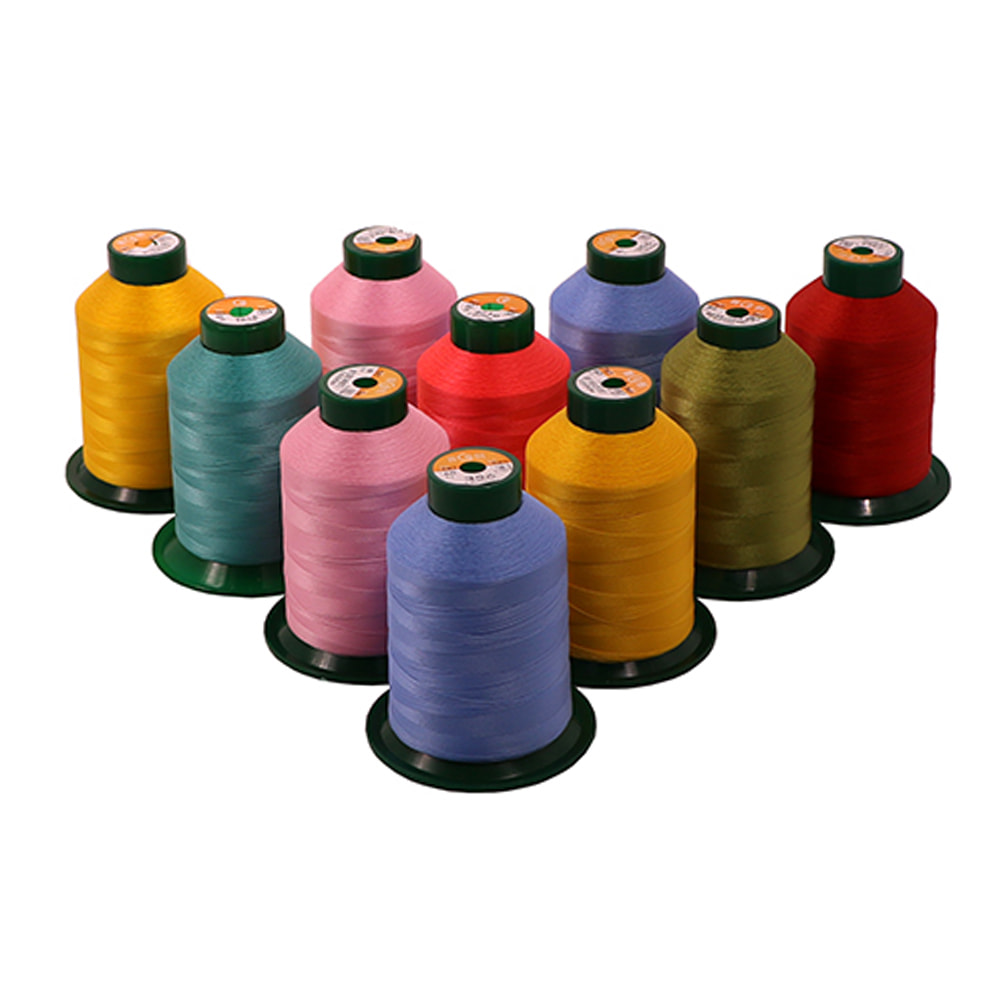
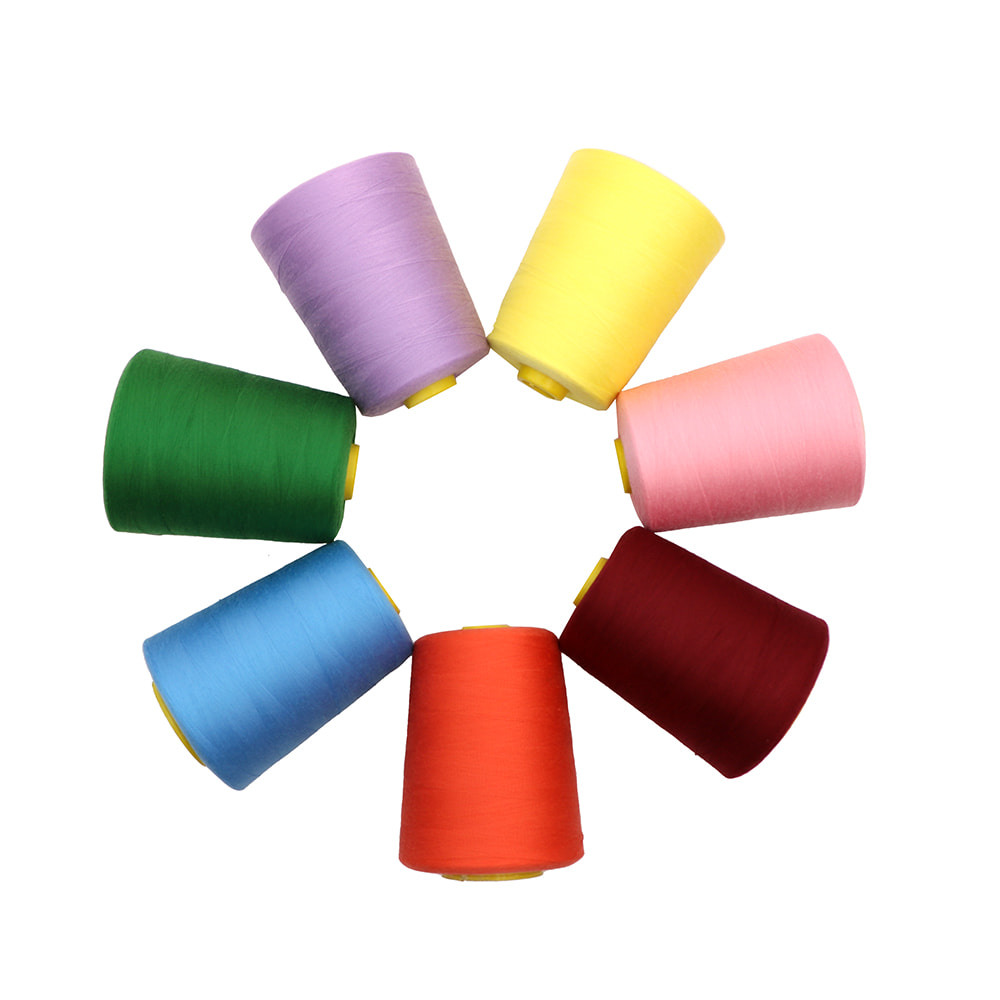
Kleurprestaties zijn een van de meest beslissende factoren voor de kwaliteit van de borduuruitvoer en beïnvloeden alles, van de steekdefinitie tot hoe een voltooid ontwerp er vanaf een afstand uitziet. Helder borduurgaren is speciaal geformuleerd voor hoge kleurverzadiging en glans, waardoor het een veel voorkomende keuze is voor logo's, merktekens en decoratieve stiksels waarbij visuele impact net zo belangrijk is als duurzaamheid. In deze gids wordt beschreven waar helder borduurgaren van is gemaakt, hoe het zich verhoudt tot andere draadtypen en wat u moet controleren voordat u een productierun uitvoert.
Wat is helder borduurgaren
Helder borduurgaren verwijst naar garen dat is ontworpen voor een hoge glans en levendige, verzadigde kleuren in plaats van een matte of ingetogen afwerking. Dit effect wordt veroorzaakt door het vezeltype, de filamentstructuur en het verfproces dat tijdens de productie wordt gebruikt. Rayon en bepaalde polyesterfilamentdraden zijn de meest voorkomende basisvezels voor helder garen, omdat hun gladde filamentoppervlak het licht gelijkmatiger reflecteert dan de kortere, meer gestructureerde vezels die in gesponnen katoenen garen worden aangetroffen.
De glans van een heldere draad is een direct gevolg van de gladheid van de filamenten. Een doorlopende, ononderbroken filamentvezel reflecteert licht over de hele lengte met minder verstrooiingspunten, waardoor het glanzende visuele effect ontstaat dat hoort bij helder borduurgaren. Dit is een structurele eigenschap van de vezel zelf, en niet een coating of oppervlaktebehandeling die achteraf wordt aangebracht.
Soorten borduurgaren en hun kleurbereiken
Rayon draad
Hoge glans en breed kleurengamma, historisch gezien de standaard voor decoratief borduurwerk vanwege de gladde glans en consistente kleuropname.
Polyester draad
Vergelijkbare helderheid met rayon met sterkere kleurechtheid bij wassen en blootstelling aan zonlicht, waardoor het gebruikelijk is voor artikelen die herhaaldelijk moeten worden gewassen.
Katoenen draad
Zachtere, meer matte afwerking met een smaller helder kleurengamma, meestal gekozen voor een natuurlijk of vintage stikseluiterlijk in plaats van een hoge glans.
Metaaldraad
Reflecterend metallic filament gewikkeld rond een kerndraad, gebruikt voor accentstiksels in plaats van volledig dekkende vulling vanwege de lagere flexibiliteit.
Technische specificaties en belangrijkste prestatiefactoren
| Vezelbasis | Rayon, polyester, katoen of met metaal omwikkeld filament |
| Draadgewicht | Gewoonlijk 40wt voor standaard machineborduurwerk |
| Laagstructuur | 2-laags of 3-laags gedraaid filament |
| Treksterkte | Voldoende om hoge machinespanning te weerstaan zonder frequente breuk |
| Kleurechtheid | Beoordeeld voor weerstand tegen wassen, blootstelling aan licht en slijpen |
| Spoelformaat | Standaard kegel- of mini-kingspoelgroottes voor industriële machines |
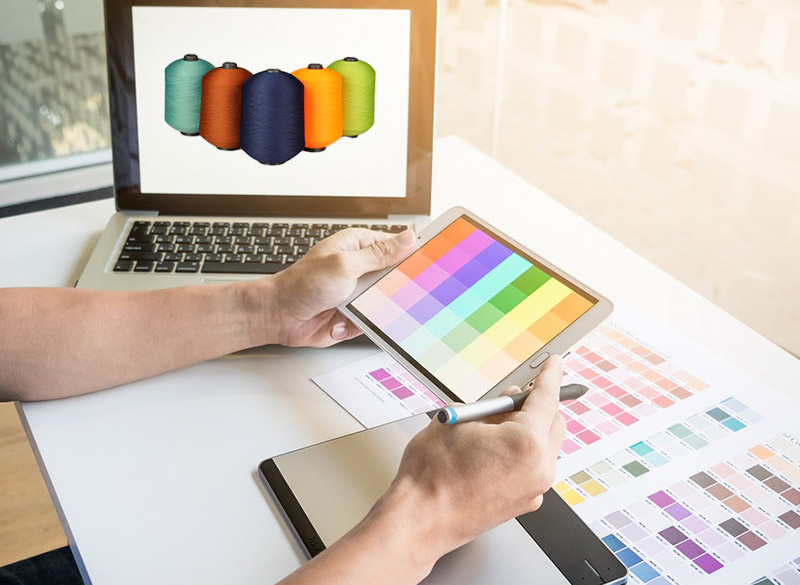
Kleurentheorie toepassen op borduurgarenkleuren
Bij het selecteren van draadkleuren voor een ontwerp profiteert u van dezelfde kleurrelaties die in alle visuele ontwerpdisciplines worden gebruikt. Drie relaties komen het vaakst naar voren bij het plannen van een meerkleurige borduurrun.
Complementair
Door een heldere draadkleur te combineren met het tegenovergestelde op het kleurenwiel ontstaat een sterk visueel contrast, wat handig is voor logo's die moeten opvallen tegen een effen kledingachtergrond.
Analoog
Aangrenzende kleuren op het wiel zorgen voor een vloeiender, harmonieuzer verloopeffect, dat vaak wordt gebruikt in op bloemen of de natuur geïnspireerde borduurontwerpen.
Triadisch
Drie gelijkmatig verdeelde kleuren op het wiel zorgen voor een uitgebalanceerd contrast, terwijl ze meer levendigheid behouden dan een strikt complementaire combinatie, gebruikelijk bij borduursels met merktekens.
Vergelijking: Prestaties van rayon-, polyester- en katoenen draad
| Eigendom | Rayon | Polyester | Katoen |
| Glans niveau | Hoog | Hoog | Laag tot mat |
| Kleurechtheid | Matig | Hoog | Matig |
| Wasduurzaamheid | Matig | Hoog | Matig |
| Typisch gebruik | Decoratieve vulling, kledingmerk | Werkkleding, vaak gewassen artikelen | Ontwerpen met natuurlijke afwerking of vintage-stijl |
Selectieoverwegingen bij inkoop
- Zorg ervoor dat het draadtype overeenkomt met de wasfrequentie van het eindgebruik — Gewassen artikelen profiteren vaak van de sterkere kleurechtheid van polyester bij herhaalde cycli.
- Controleer de consistentie van de kleurstofpartij — Kleurvariatie tussen kleurstofpartijen kan zichtbare inconsistentie creëren tijdens een grote productierun met hetzelfde ontwerp.
- Controleer de treksterkte voor de machinesnelheid — Industriële borduurmachines met hoge snelheid hebben draad nodig die geschikt is voor langdurige spanning zonder frequente breuken.
- Controleer de compatibiliteit van het spoelformaat — De afmetingen van de kegel- en koningsspoel moeten overeenkomen met de machineopstelling die in de productie wordt gebruikt.
- Evalueer de diepte van het kleurbereik — Een breder beschikbaar kleurbereik ondersteunt nauwkeurigere kleurafstemming voor gedetailleerde meerkleurige ontwerpen.
Huidige trends in borduurwerk
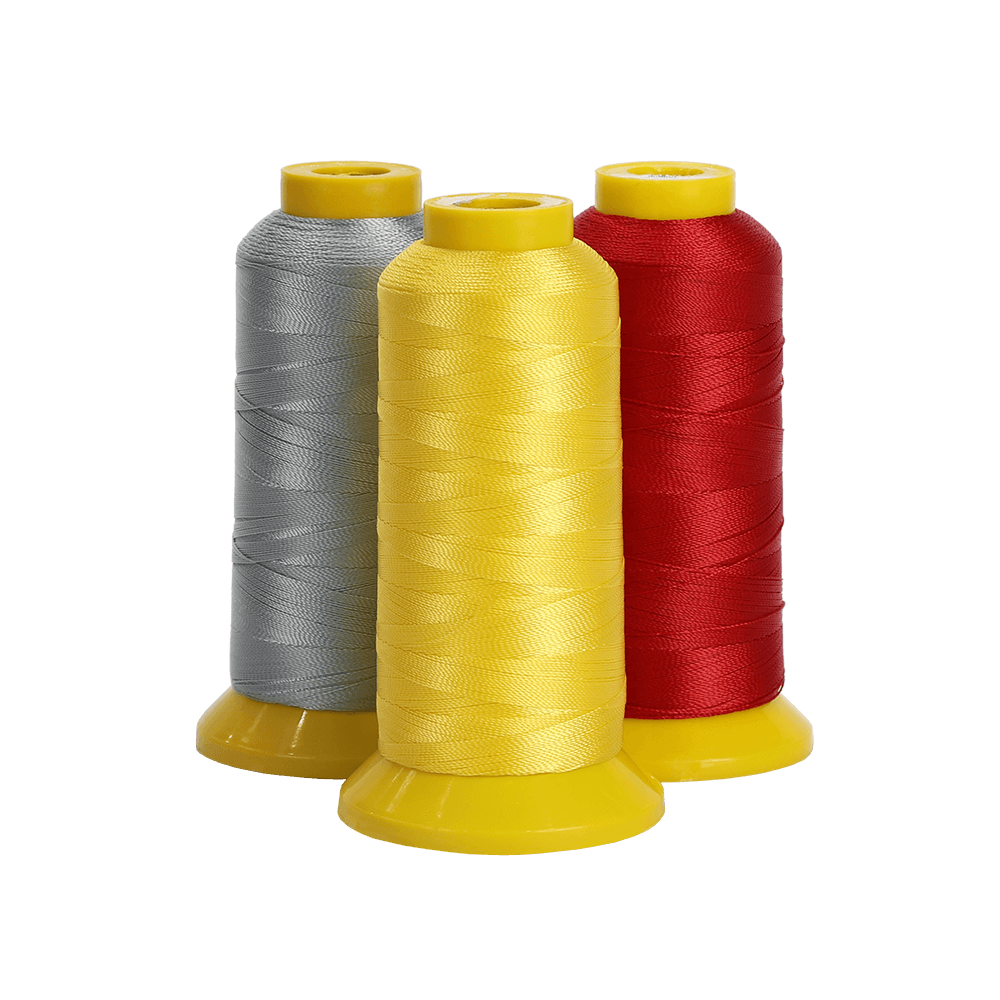
Borduurontwerpen blijven zich ontwikkelen in de richting van dichtere, meer gedetailleerde kleurovergangen binnen één enkel ontwerp, waardoor er steeds meer eisen worden gesteld aan de diepte van het garenkleurbereik en de kleurconsistentie tussen batches. Er is ook steeds meer belangstelling voor het combineren van helder, hoogglanzend garen met matte of metallic accenten binnen hetzelfde ontwerp om tonaal contrast te creëren zonder volledig van vezeltype te wisselen. Digitaliseringssoftware is met deze trend meegegaan, waardoor nauwkeurigere kleurmengtechnieken mogelijk zijn die afhankelijk zijn van strak gecontroleerde draadkleurbibliotheken.
Moet u borduurgaren wassen voordat u het gebruikt
Het voorwassen van garen zelf is geen standaardpraktijk, aangezien garen speciaal wordt vervaardigd en afgewerkt voor direct gebruik op borduurmachines. De relevantere overweging is het voorwassen van het basiskledingstuk of de stof voordat u gaat naaien, vooral bij stoffen die gevoelig zijn voor krimp, aangezien krimp na het borduren de uitlijning en spanning van de steken kan verstoren. De kleurechtheid van de draad, in plaats van het voorwassen van de draad, bepaalt hoe een voltooid ontwerp standhoudt tijdens het wassen van het voltooide item.
Veelvoorkomende fouten die u moet vermijden
Elk van deze problemen is terug te voeren op de behandeling van draad als een uniform product in plaats van als een materiaal met specifieke verwerkingsvereisten. Het beoordelen van de spanningsinstellingen en de naaldcompatibiliteit voor het specifieke vezeltype dat wordt gebruikt, vermindert breuk en overgeslagen steken tijdens productieruns aanzienlijk.
Industrietrends en toekomstperspectieven
De draadproductie blijft verfprocessen verfijnen voor een consistentere kleurafstemming van batch tot batch, wat steeds belangrijker wordt naarmate meerkleurige ontwerpen gedetailleerder worden. Filamenttechnologie neigt ook naar draden die de glans van rayon combineren met de kleurvastheid van polyester, waardoor de historische wisselwerking tussen visuele helderheid en wasduurzaamheid kleiner wordt.
Conclusie
Helder borduurgaren levert zijn visuele impact door de gladheid van het filament en de kleurverzadiging in plaats van door een oppervlaktebehandeling. Daarom is de vezelselectie net zo belangrijk als de kleurkeuze zelf. Door het glansniveau, de kleurechtheid en de treksterkte te vergelijken met de vereisten voor witwassen en machinesnelheid van een project, kunt u consistente resultaten gedurende een volledige productierun garanderen.
Veelgestelde vragen
Wat zijn de huidige trends op borduurgebied?
Ontwerpen neigen naar dichtere kleurovergangen en combinaties van helder, mat en metaaldraad binnen één enkel ontwerp, ondersteund door nauwkeurigere digitaliseringssoftware.
Moet u borduurgaren wassen voordat u het gebruikt?
Het voorwassen van garen is geen standaardpraktijk. Het voorwassen van de basisstof is relevanter, omdat krimp na het naaien de uiteindelijke ontwerpen kan vervormen.
Wat zijn veelvoorkomende fouten die je moet vermijden bij het borduren?
Veelvoorkomende problemen zijn onder meer het negeren van variaties in de kleurstof, het niet overeenkomen van het draadgewicht met de naaldgrootte en het gebruiken van onjuiste spanningsinstellingen voor het gebruikte vezeltype.
Wat geeft borduurgaren zijn heldere, glanzende uitstraling?
Een gladde, doorlopende vezelstructuur reflecteert het licht gelijkmatiger dan korter gesponnen vezels, waardoor het glanzende uiterlijk ontstaat dat geassocieerd wordt met helder garen.
Hoe pas je de kleurentheorie toe op draadkleurkeuzes?
Complementair pairings create strong contrast, analogous colors create smoother gradients, and triadic combinations balance contrast with vibrancy, each suited to different design goals.
Is rayon- of polyestergaren beter voor borduren?
Rayon biedt een iets hogere glans, terwijl polyester een sterkere kleurvastheid biedt bij herhaaldelijk wassen, dus de betere keuze hangt af van hoe het eindproduct zal worden gebruikt.